Money Habits
7 Places to Check for Budget Leaks
Review subscriptions, phone plans, standby power, bank fees, overlapping services, and shopping decisions using your own bills.

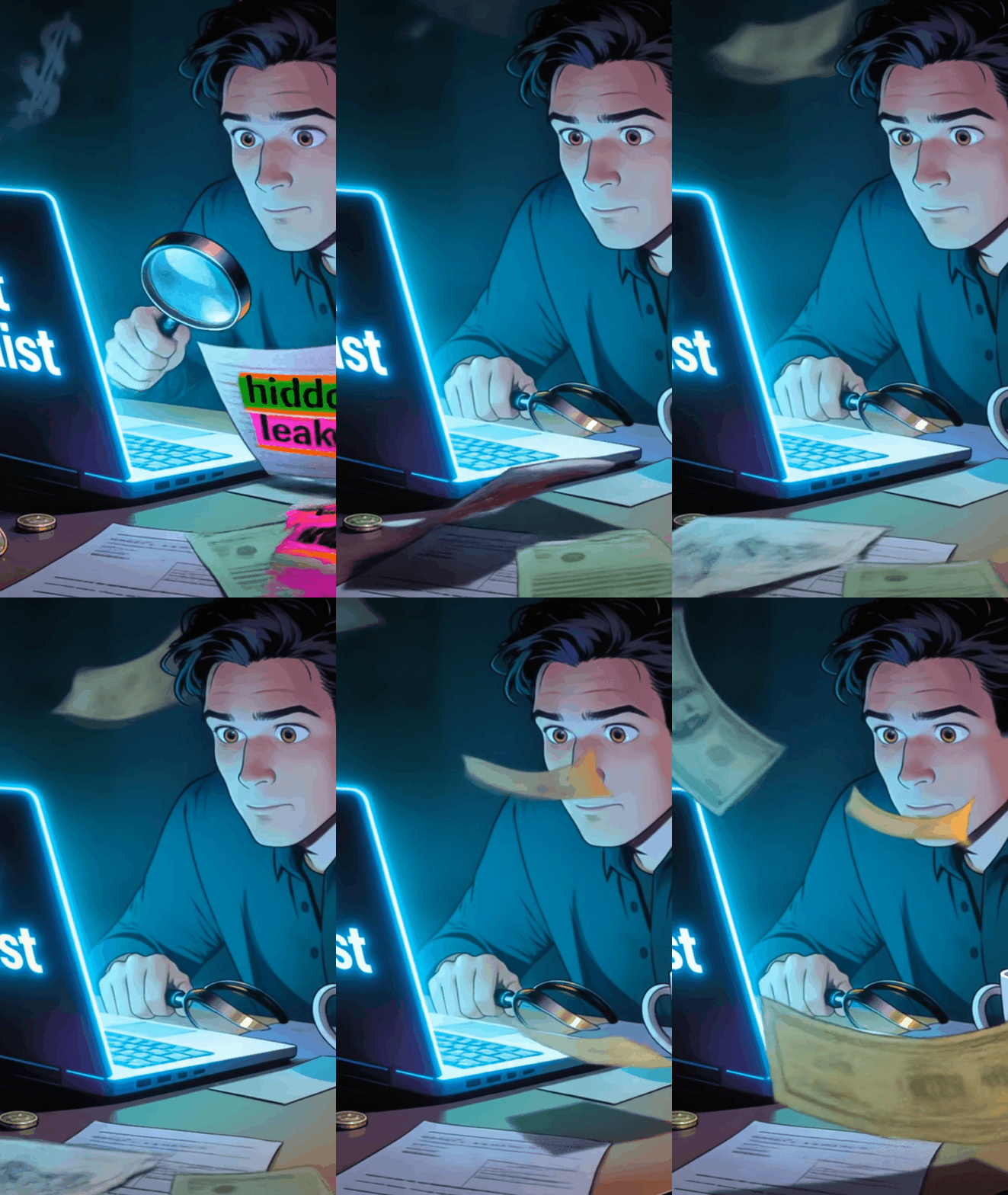
Seven places to check for spending you no longer need
A budget can miss small recurring costs, especially when bills arrive on different dates. Use this checklist to review your own statements and contracts. The purpose is to find a specific charge you can change, not to promise a particular saving.
Start with a recent bank or card statement, your phone bill, and any renewal notices. Record the charge, what you receive, and the next action. Some changes take a phone call or a contract review; you do not need to finish everything at once.
1. Subscriptions that renew automatically
Look for repeated charges and trial offers that became paid subscriptions. Before canceling, check whether someone in your household still uses the service and whether cancellation affects another product you need.
Save the cancellation confirmation and check later statements. The FTC's subscription guidance explains how to review recurring charges and respond when billing continues after cancellation.
2. Purchases made without a plan
Choose one recent purchase you regret and identify what prompted it: convenience, a promotion, stress, or a missing item in the shopping list. For a future nonessential purchase, try adding it to a list and reviewing it later. This is an experiment you can adjust, not a rule for necessities or emergencies.
3. Phone plans and unused extras
Compare the data and services you actually use with the plan you pay for. Ask your provider for the total price of an alternative, including taxes, promotional expiry, equipment payments, and any switching cost. A lower advertised price is not a saving if it removes needed coverage or creates a larger bill elsewhere.
4. Electronics using power while idle
Some devices consume energy in standby mode. The Department of Energy explains how standby consumption is measured. Check manufacturer guidance before unplugging equipment; safety, medical, refrigeration, networking, and security needs come first.
Compare measured usage where practical. Weather, billing periods, and other appliances can change the bill, so a short experiment does not establish an annual saving.
5. Bank-account charges
Find maintenance, overdraft, transfer, or out-of-network ATM charges on your statements. Review the account's fee schedule and waiver conditions. Before switching, compare the services you use and plan how to move automatic payments without missing a bill.
6. Overlapping services or insurance
List coverage or assistance included with memberships, purchases, or cards. Compare eligibility, exclusions, deductibles, and limits with any extra service you are considering. Similar names do not establish duplicate coverage. Ask the provider to explain gaps before canceling protection.
7. Discounts that increase total spending
For a multi-buy offer, compare the total cost with the amount you would otherwise purchase. Consider storage, expiry, and whether you will use everything. A lower unit price can still leave you spending more than planned.
Turn one finding into an action
Write down one charge, one action, and a date to check the result. Count a saving only after a bill or statement confirms it, and subtract any replacement cost. If you free up money, decide where it should go in your budget.
This checklist does not predict a credit-score change or a specific dollar or percentage saving. Keep what serves your household and review the rest at a pace you can manage.
Sources & References
- 1.
- 2.U.S. Department of Energy — Department of Energy explains how standby consumption is measuredVisit source (Accessed 2026-09-15)
These are the references recorded for this page. Their presence does not imply independent expert or legal review. For questions about our research process, see our Editorial Policy.
Editorial Responsibility
Published by InboxSuite, Inc.
This page is attributed to the Better Financials Health editorial team. It does not imply review by a credentialed financial professional, attorney, tax professional, or external fact-checker unless one is named above.